
Tension within the military establishment in Burkina Faso escalated during the last week of April, in parallel with growing concerns on the part of the ruling authority — led by Captain Ibrahim Traoré — over the existence of organized movements aimed at destabilizing the regime or reshaping the centers of power within the army.
Although no independent public confirmation exists for all the details related to the ongoing investigations, the nature of the measures taken by the military junta since the end of April reflects a heightened level of concern within ruling circles. These measures are also consistent with the political and security context the country has been experiencing since the September 2022 coup that ousted former transitional president Paul-Henri Damiba.
Since Traoré's rise to power, the new leadership has been unable to fully resolve the divisions within the army. Factions of officers associated with the previous leadership or adversely affected by the restructuring of the military institution have remained under continuous security surveillance.
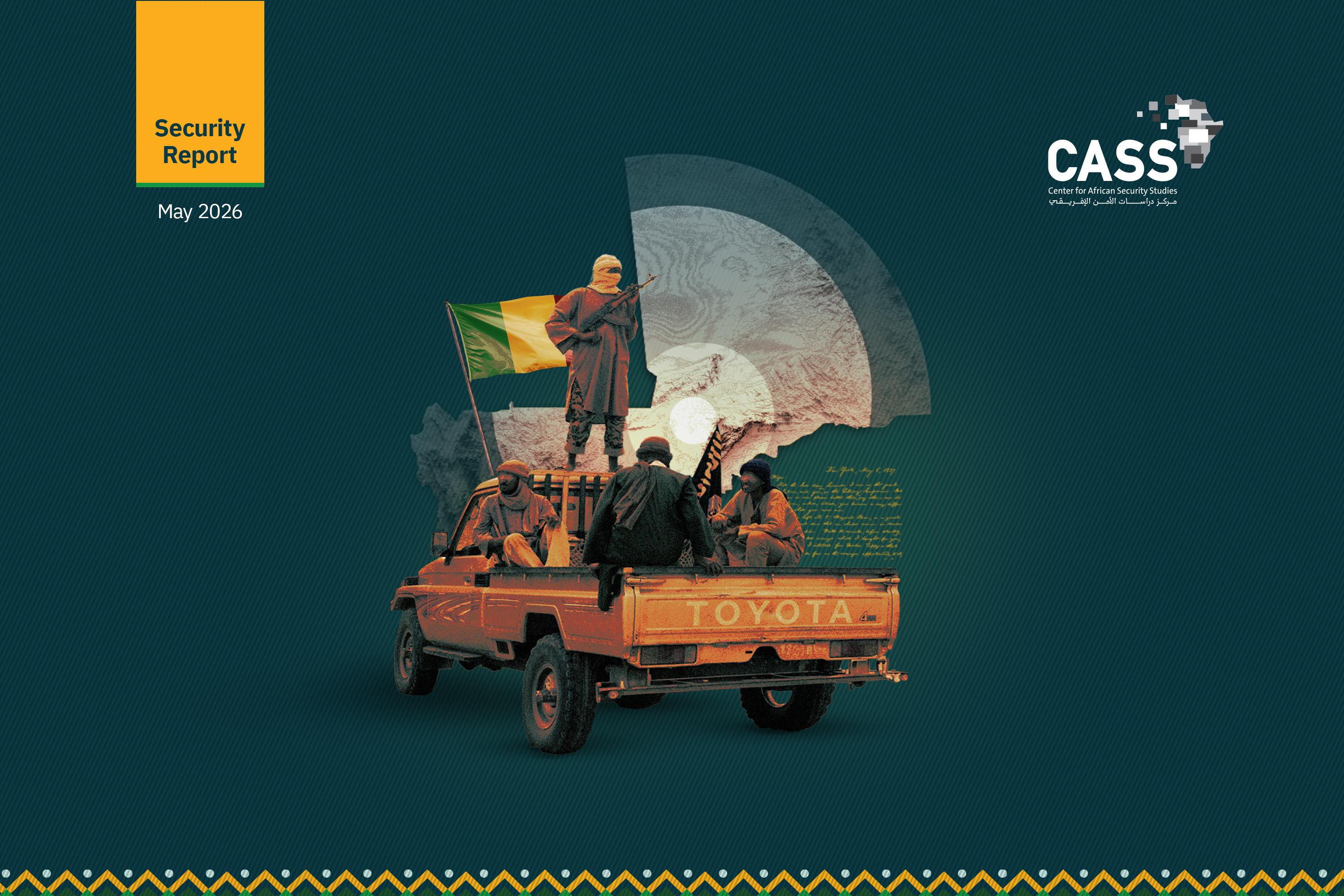
The continued security deterioration and the expanding activity of armed groups affiliated with al-Qaeda and the Islamic State have further intensified pressures on the military authority, which has built a significant portion of its legitimacy on promises to restore security and assert control over areas outside state authority.
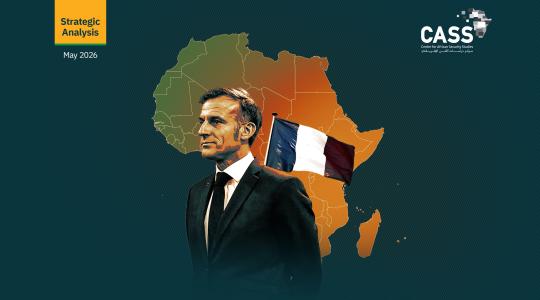
In this context, the current leadership has increasingly adopted a hardline discourse that links internal unrest to "external plots" seeking to bring down or weaken the regime — particularly following the sharp deterioration in relations with France and the shift toward new security partnerships with Russia and the Sahel states axis.
On May 1st, the military junta issued directives to tighten security measures in a number of regions, after President Ibrahim Traoré received intelligence reports containing information about the exposure of an armed network in the city of Bobo-Dioulasso. The network is believed to be linked to former military commanders living in exile, operating in coordination with former president Paul Damiba, who is currently residing in Togo.
The investigations followed a security operation carried out on April 27 and 28, targeting a number of officers and civilian activists. The operation uncovered indicators of attempts to reactivate communication channels within the army through local collaborators, with reports pointing to the management of these movements from a joint coordination base in Togo.
Although the intelligence reports did not include a direct accusation of French involvement in these movements, the indications regarding the level of planning and the breadth of the communication network across several military sites reflected the persistence of suspicions within the ruling authority toward the existence of external support for opposition movements.
This narrative appears consistent with the discourse the current authority has adopted for more than two years — a discourse that frames internal conflict as part of a broader confrontation with external forces threatened by the geopolitical transformation being led by Ouagadougou in the region.
The military junta decided to arrest 27 officers, the majority of whom are concentrated within the Bobo-Dioulasso operations sector and its surrounding barracks. This was accompanied by direct instructions from President Traoré to expand the arrest campaigns to include activists and political cadres suspected of involvement in organizing meetings or communicating with opposition figures abroad.
The authority appears to view these developments as a threat that goes beyond conventional opposition activity, particularly given the sensitivity of Bobo-Dioulasso as the country's second largest city and a major center for military and economic activity.
In light of these developments, it is likely that the military authority will move in the coming period to further tighten its security grip — whether through expanding arrest campaigns, restructuring certain military units, or transferring officers under suspicion.
Increased surveillance of political and civil activity is also expected, particularly in the western regions and the capital, alongside a reinforced role for security services and military committees in monitoring the penetration file within the army.
However, the persistence of doubt and division within the military institution could, in the medium term, deepen the fragility of the political system — particularly if accompanied by a continued security deterioration in the face of armed groups. Should certain power centers within the army come to feel that the current leadership is incapable of achieving stability or maintaining the cohesion of the military institution, the prospects of mutiny attempts or new coup movements will remain, even if the current authority temporarily succeeds in containing the latest developments.